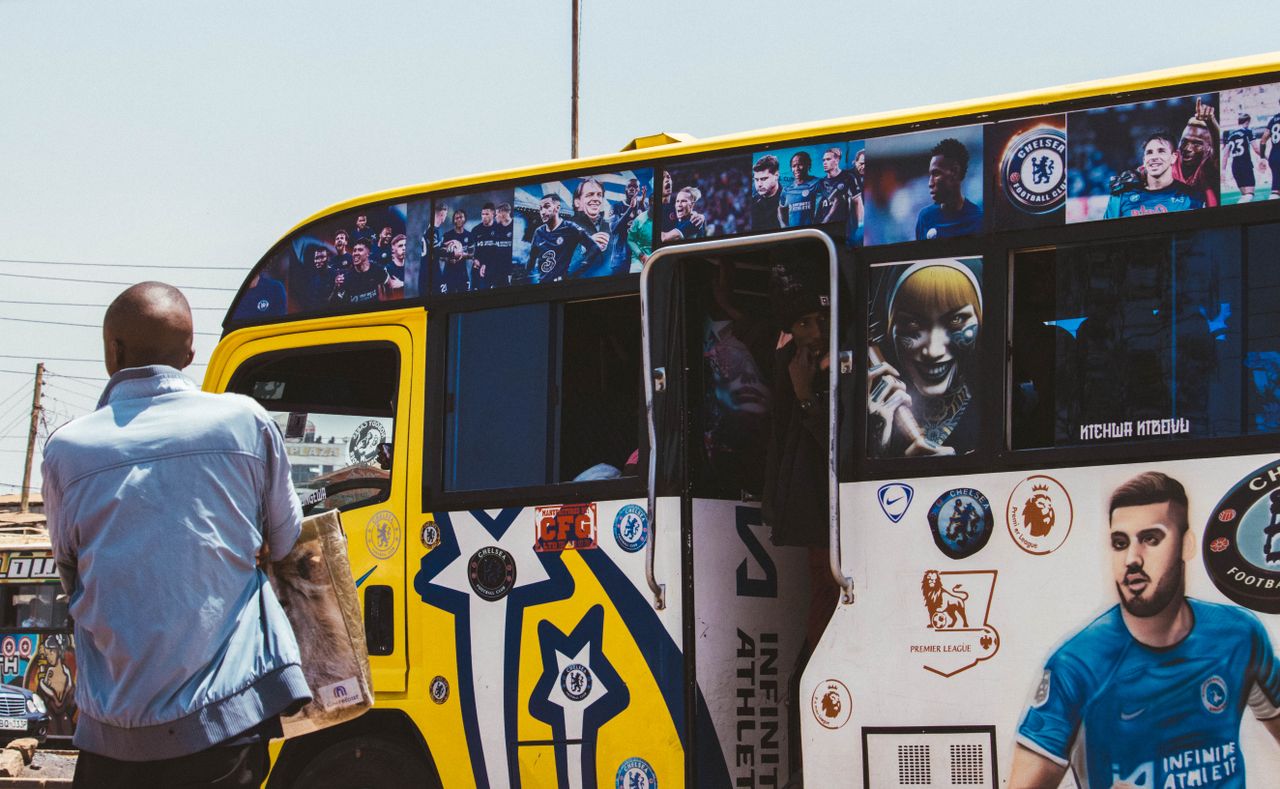
Nairobi is Kenya’s capital and East Africa’s largest city - the hub that almost all visitors pass through. Whether you’re arriving on an intercontinental flight, crossing overland from Tanzania or Uganda, or connecting from the coast, Nairobi has well-established links to everywhere. The city sits at 1,795 metres above sea level in the central highlands, making the climate noticeably cooler than Mombasa or the coast.
This guide is part of our Nairobi travel guide; for the rest of your planning, see our guides to where to stay in Nairobi and day trips from Nairobi.
By International Flight
Jomo Kenyatta International Airport (IATA: NBO) is Kenya’s main international gateway, approximately 15km southeast of the city centre. It receives direct flights from London (Heathrow), Amsterdam, Doha, Dubai, Istanbul, and several other European and Middle Eastern hubs. Kenya Airways operates the main long-haul routes; Turkish Airlines, KLM, Qatar Airways, Ethiopian Airlines, and Emirates all serve JKIA.
Transfer time from JKIA to the city centre is approximately 30–45 minutes under normal conditions, rising to 90 minutes or more during rush hour (7–9am and 5–7pm). Authorised taxis depart from the arrivals hall - negotiate a fare in advance or ask for the fixed-rate board. Typical city-centre transfer costs KES 2,000–3,500. Uber and Bolt operate at JKIA and are often cheaper: approximately KES 1,200–2,000 to the CBD, depending on surge.
Airport shuttles run to major hotels and the JKIA–CBD express service operates at set intervals. For onward travel within Kenya, note that JKIA also handles most international-to-domestic connections.
Domestic Flights
Wilson Airport (IATA: WIL), 6km south of the CBD, is the hub for domestic carriers and safari charter flights. Safarilink, Air Kenya, Skyward Express, and multiple charter operators depart from Wilson to Maasai Mara, Amboseli, Lamu, Kisumu, Malindi, Nanyuki, and other destinations across Kenya.
Kenya Airways and Jambojet operate some domestic routes from JKIA (notably Kisumu, Mombasa, and Malindi). Most within-Kenya transfers use Wilson.
By Long-Distance Bus from Mombasa
The Nairobi–Mombasa corridor is the busiest intercity coach route in Kenya. Modern Coast, Easy Coach, Mombasa Raha, and Guardian Coach all run multiple daily and overnight services.
Overnight coaches depart Mombasa from around 7pm–10pm and arrive in Nairobi’s early morning (6–7am), avoiding daytime city traffic. Fares are approximately KES 900–1,500 one way as of 2026. Journey time is approximately 8–9 hours by the A109. Most coaches use Mwembe Tayari Bus Station in Mombasa and arrive at the Machakos Bus Station area near Nairobi’s city centre.
The Standard Gauge Railway (SGR) Madaraka Express is the premium alternative. Journey time is approximately 4.5 hours, with Economy class from KES 1,500, First Class around KES 4,500 and Premium KES 12,000 (as of 2026). Trains depart from Mombasa Terminus (near the port) and arrive at Nairobi Terminus in Syokimau. Syokimau is approximately 20km from the CBD - add a taxi or Uber for the final leg (KES 800–1,200). Full details in our Nairobi to Mombasa train guide.
By Long-Distance Bus from Other Cities
From Kisumu: approximately 6–7 hours by coach. Modern Coast, Easy Coach, and Eldoret Express operate the route. Fares approximately KES 800–1,200.
From Eldoret: approximately 5–6 hours. Multiple coach operators serve the A104 route via Nakuru.
From Nakuru: approximately 2–2.5 hours. The most frequent domestic coach corridor in the country - buses depart roughly every 30 minutes throughout the day.
From Nyeri: approximately 2.5–3 hours by matatu or coach via Thika (A2) or Karatina.
Overland from Tanzania
The Namanga border crossing is the main Tanzania entry point, approximately 160km south of Nairobi on the A104. Direct shuttle buses run between Arusha and Nairobi - Impala Shuttle and Riverside Shuttle are the established operators, departing both cities in the morning. Journey time Arusha–Nairobi is approximately 5–6 hours including the border crossing. Fares are approximately USD 25–35 one way.
From Dar es Salaam, the route is longer - most travellers fly or use the Namanga crossing via Arusha. The Tarakea/Holili border crossing in the Kilimanjaro region is an alternative for travellers coming from Moshi.
Overland from Uganda
The Malaba and Busia border crossings are the main Uganda entry points into western Kenya. From Kampala, direct coach services to Nairobi run overnight - Modern Coast and Guardian Coach serve this route. Journey time is approximately 10–12 hours total. Fares vary around KES 1,500–2,500 or equivalent in USD.
Arriving in Nairobi
Long-distance coaches arrive at the Machakos Country Bus Station area near River Road, and at the Modern Coast and Easy Coach dedicated terminals. The SGR arrives at Nairobi Terminus in Syokimau.
From any arrival point, Uber and Bolt are the recommended options for onward transfer - metered fares, no negotiation, and GPS tracking. Tuk-tuks are not available in Nairobi city. Authorised taxis (yellow with a TaxiHail or similar app) are reliable alternatives.
Nairobi has two main hotel districts: the Westlands/Parklands area (popular with visitors and expats, approximately 5km from CBD) and the Upper Hill/Kilimani area (closer to embassies and NGOs). Both are within 20–40 minutes of JKIA by road.
For things to do while in the city, see our Nairobi activities guide. For where to eat, see our Nairobi food guide. For after dark, our Nairobi nightlife guide covers bars and live music in Westlands and Kilimani.
Where to Stay in Nairobi
Arriving after a long journey is easier with a bed already booked. Compare hotels in Nairobi on Booking.com and check recent guest reviews before you travel.