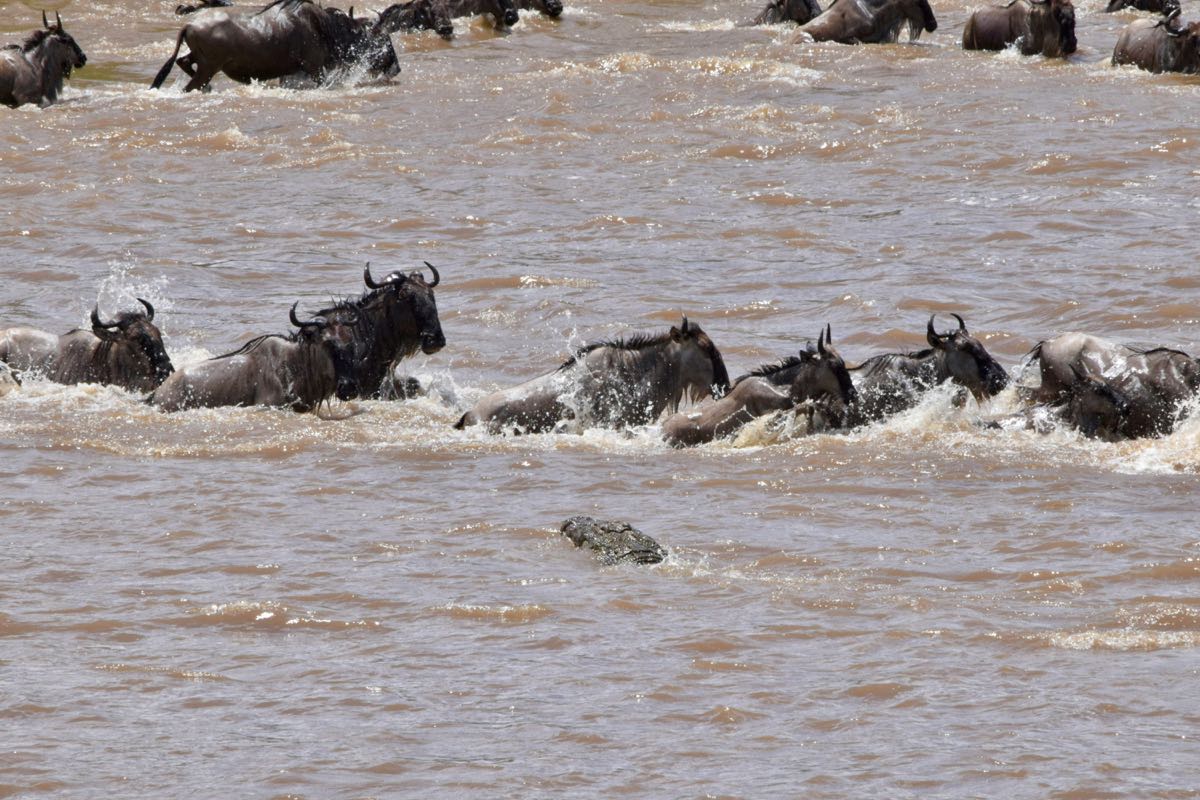
September is where the Great Migration experience improves. The wildebeest and zebra herds are still present in the Masai Mara, river crossings continue through most of the month, but the UK and European school holiday crowds that fill August’s camps have gone home. Vehicle counts at crossing events drop by 40–60% from mid-September. Some lodges cut rates. The Mara River crossings in late September - as large herds begin moving south together - are among the most dramatic of the year, with fewer vehicles at the riverbank than any other crossing month. Meanwhile, the Indian Ocean is calming after the kusi season, and Diani and Watamu beaches are returning to form for late-month coast visits.
Late Dry Season: Warming Days, Calming Indian Ocean, Migration Crossings Continue
| Region | Avg High | Avg Low | Rainfall | Notes |
|---|---|---|---|---|
| Nairobi | 24°C | 11°C | 35mm | Dry, warming up |
| Masai Mara | 25°C | 12°C | 30mm | Dry, warm; grass drying further |
| Amboseli | 27°C | 13°C | 30mm | Dry, dusty |
| Samburu | 29°C | 17°C | 25mm | Hot and dry |
| Kenya Coast | 28°C | 21°C | 35mm | SE winds easing; seas calming |
| Mount Kenya (base) | 18°C | 8°C | 60mm | Good trekking; slight increase in rain |
September Wildlife & Seasonal Events Summary
| Event | Timing | Where |
|---|---|---|
| Mara River crossings continue | All September (final crossings late Sept) | Masai Mara |
| South-bound herd movement begins | Late September | Masai Mara → Serengeti |
| Wildebeest and zebra resident herds | All September | Masai Mara |
| Resident predators well-fed | All September | Masai Mara, Amboseli, Samburu |
| Kusi winds ease - coast improves | Mid-to-late September | Diani, Watamu |
| Early whale shark sightings | Late September (occasional) | Watamu |
| Crowds ease - fewer vehicles | From mid-September | Masai Mara |
The September Crossings: Why Fewer Vehicles Makes a Better Experience
The Mara River wildebeest crossings in August can involve 30–60 vehicles at a single crossing point. By mid-September that number typically drops to 10–20. The experience changes fundamentally - you can position without obstruction, the dust from vehicles is reduced, and the natural sound of the crossing is audible instead of engine noise.
What specifically happens in September:
- Early September (1–15): Still peak season conditions, but slightly fewer vehicles than August. Crossings continue at multiple points on the Mara River. Book early - early September pricing is still peak.
- Mid-September (15–20): Noticeable crowd reduction. UK school holidays end; German, French, and US visitors also thin. Some lodges begin shifting to shoulder pricing from the 15th.
- Late September (20–30): South-bound herds build as the Mara grass is exhausted. Late September crossings can be spectacular - large consolidated herds crossing together as they begin the return to Tanzania. These south-bound crossings are less anticipated than the north-bound July–August events but are often equally dramatic. This is arguably the best value window of the entire migration period.
Predators in September: Lions, cheetahs, and leopards are at their heaviest and most well-fed after months of migration prey. September predator behaviour is characteristically relaxed - full lions are often visible in open daylight rather than the dawn-and-dusk activity pattern of hungrier seasons. Crocodiles at the Mara River are exceptionally active as the migration ramps up crossing frequency before departure.
Resident Mara Grazers in September: Pre-Calving Peak Condition
As the wildebeest herds thin toward month’s end, the Mara’s resident grazer population comes progressively back into focus. All four primary species are in a specific late dry-season life-stage:
Thomson’s gazelle (September): The migratory gazelle column begins moving south with the wildebeest, but the resident population of approximately 30,000 Thomson’s gazelle remains permanently in the ecosystem. September is not calving season for gazelle (that begins December–January), but young-of-year animals born earlier are now adult-sized and integrated into the herd. As the migratory gazelle depart, cheetah activity on the open plains shifts to targeting the resident population - September is a good month for cheetah hunts with fewer vehicles than August.
Impala (September): Female impala are approaching the end of their 6-month gestation - calving begins in October. By late September, females are visibly pregnant in the final trimester. The Mara’s approximately 30,000 impala concentrate in riverine woodland and bush margins; leopard activity near impala herds in the Mara River woodland remains reliably good throughout September.
Burchell’s zebra (September): The migratory zebra (approximately 200,000) begin moving south with the wildebeest from late September, progressively leaving the resident population of approximately 80,000 as the dominant zebra cohort. September resident zebra foals born in April–June are now 3–5 months old - juvenile brown striping fading to near-adult pattern but still visible. Late-month game drives encounter family groups of resident zebra with well-grown foals as the migratory herds depart.
Topi (September): The Mara’s approximately 12,000 topi are in peak condition after the full dry season. Females are heavily pregnant in late September - October–November calving is imminent. Males are intensely territorial, the pre-calving competition for prime open-grass terrain making September one of the most active topi behaviour months of the year. The Mara Triangle’s short-grass plains are the best area for September topi observations.
Amboseli in September: Dry, Dusty, and Elephants in Peak Condition
September is an excellent month for Amboseli. The dry conditions concentrate wildlife at the swamp, and the elephant herds - the largest in East Africa - are visible in large family groups. Kilimanjaro visibility begins improving from September as the transition to the short rains approaches; mornings in Amboseli can produce a clear mountain view that rivals the peak January–February clarity.
Amboseli in September has a distinct advantage over the Mara: no migration crowds. A September Amboseli-plus-Mara combination (4 nights each) gives you both the elephant and mountain experience and the final migration crossings.
Crowds in September
September sees a significant reduction in safari vehicle numbers from August. UK, German, and US school holidays all end by early September. The mid-September Mara is a meaningfully different experience from August - quieter crossings, better positioning, more natural atmosphere at sightings.
This makes September an excellent compromise: Migration crossings still occurring, better wildlife experience, prices beginning to ease.
September at the Coast: Indian Ocean Returns to Form
The SE trade winds (kusi) begin to ease in September. Beach conditions at Diani and Watamu improve through the month. By late September, the Indian Ocean is calming to near-flat, swimming conditions are good, and snorkelling visibility is returning to its seasonal best.
Early whale sharks: The whale shark season officially opens in October, but late September occasionally produces early arrivals at Watamu as the Indian Ocean warms. Ask local operators about conditions from mid-September onward.
A late-September coastal add-on to a Mara safari - 3 nights Diani or Watamu - is well-priced and very enjoyable as the coast transitions out of the kusi season.
Cultural Events in September
- Rhino Charge (Ol Pejeta Conservancy area, check current dates) - off-road vehicle fundraising race supporting Rhino Ark fence maintenance
- Lamu Donkey Race (Lamu Old Town, check current dates at the Lamu Cultural Festival schedule)
Best Parks in September: Mid-Mara for Crossings, Late-Month Coast
Best choice: Masai Mara, mid-to-late September - migration crossings continue with meaningfully fewer vehicles than August. Late September south-bound crossings are often spectacular. Browse Masai Mara tours for September departures at both peak (early) and shoulder (mid-late) pricing.
Alternative: Amboseli - September is one of the best months for elephant viewing and improving Kilimanjaro visibility. Far fewer visitors than the Mara. Browse Amboseli tours for guided day and multi-day options.
Coast: Late September - beach conditions at Diani and Watamu improve as the kusi winds ease. Snorkelling visibility is returning to peak. A late-September coast trip is underpriced and undercrowded.
September Costs: Peak in Early Month, 20–30% Drops by Late September
Safari costs (per person/night, full board, Masai Mara):
- Budget tented camp: approximately KES 14,000–22,000
- Mid-range lodge: approximately KES 28,000–55,000
- Luxury conservancy: approximately USD 400–700
Prices drop noticeably from mid-September - early September is still peak season pricing, but the last two weeks can see 20–30% reductions from August peak rates.
Recommended Lodges for September: Mara River for Final Crossings, Amboseli for Elephants
Search hotels in Kenya on Booking.com
Masai Mara (south-bound crossings, fewer crowds from mid-month):
- Governors’ Camp - the most established camp on the Mara River, excellent for both early-September north-bound crossing tail-end and the late-September south-bound movement as large consolidated herds begin returning to Tanzania. The mid-month crowd reduction makes Governors’ positioning at the river particularly effective - vehicle numbers at crossings drop sharply. Rates approximately USD 450–700/person/night full board, September peak (early) to shoulder (late). Search availability at Governors’ Camp
- Mara Serena Safari Lodge - 74-room lodge on a ridge with panoramic Mara views, well-placed for spotting migration herds moving south across the open plains in late September. Prices begin easing from mid-month. Rates approximately USD 300–480/person/night full board, September shoulder from mid-month. Search availability at Mara Serena Safari Lodge
Amboseli (improving Kilimanjaro visibility, elephant herds):
- Ol Tukai Lodge - 80-room classic Amboseli lodge in a central location near the main elephant waterhole. September mornings often produce clear Kilimanjaro views as the transition to the short rains approaches - the elephant and mountain combination is the strongest of any month outside January–February. Rates approximately USD 280–400/person/night full board. Search availability at Ol Tukai Lodge
Nairobi costs:
- Budget guesthouse: approximately KES 2,500–5,000/night
- Mid-range hotel: approximately KES 8,000–18,000/night
What to Pack: Dawn Fleece for the Mara, Snorkelling Gear as the Indian Ocean Calms
- Warm fleece or jacket for morning game drives - 6am temperatures in the Mara drop to 10–12°C
- Light daytime clothing - afternoons reach 24–27°C
- Dust covers for cameras - September is very dry and dusty across all parks
- Binoculars - essential for spotting migration herds across open plains and Kilimanjaro in early morning
- Swimwear and snorkelling gear for any late-September coast component
- High-SPF sunscreen
FAQs
Is September better than August for the Masai Mara? For most visitors, yes. Migration crossings are still happening, but the drop in school holiday tourists means fewer vehicles at sightings. From mid-September the experience quality improves significantly for a lower price.
Is the migration over in September? No - river crossings continue through most of September. The very last herds typically return south in late September or early October. September is reliably good for crossings, and the late-month south-bound movement can be spectacular.
How far ahead should I book for September? Early September (still peak) needs 6–9 months advance booking for top lodges. Mid-to-late September needs 3–6 months - good availability returns as peak crowds disperse.
For the full monthly breakdown, see our best time to visit Kenya guide. Our Great Migration Kenya guide covers the September crossing patterns. Our Masai Mara where to stay guide covers availability and pricing. For a hot air balloon view of the migration herds in September, see our hot air balloon Masai Mara guide.
Plan Your Trip
September’s value is in the timing: the migration crossings continue, but UK and European school holiday crowds peak out in August. From mid-September, vehicle counts at the Mara River drop by 40–60% and some lodges reduce rates. A mid-to-late September arrival captures crossing action at near-shoulder prices. The coast is also returning to form by late September as the kusi (SE trade winds) ease - Diani and Watamu are viable again after the rough August seas. A classic combination: 5 nights Masai Mara (mid-September) + 3 nights Diani (late September). Book Kenya flights and travel insurance 4–8 weeks ahead. An eSIM works across all three zones; 4WD hire is useful for late-September self-drives.