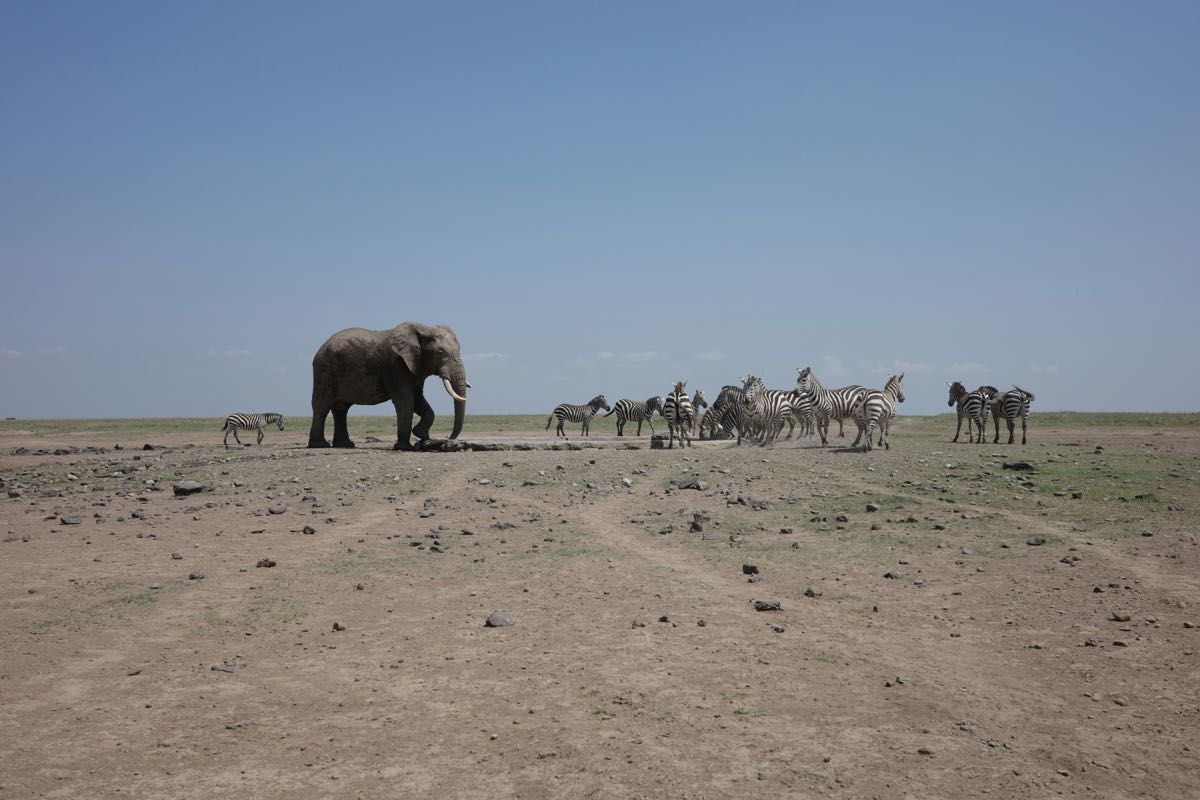
August is the peak of the Great Migration river crossing season - the most dramatic period in Kenyan wildlife. The Masai Mara is at maximum capacity. Game viewing is outstanding but the Mara is crowded. For those who want to witness the migration crossings, August is the optimal month. See our Great Migration Kenya guide for how the full annual cycle works.
Weather in August
| Region | Avg High | Avg Low | Rainfall | Notes |
|---|---|---|---|---|
| Nairobi | 21°C | 10°C | 25mm | Cool, dry - Nairobi at its most pleasant |
| Masai Mara | 23°C | 10°C | 20mm | Very dry, cold mornings |
| Amboseli | 25°C | 12°C | 15mm | Dry, dusty |
| Samburu | 27°C | 15°C | 15mm | Hot and dry |
| Kenya Coast | 27°C | 20°C | 25mm | SE winds; kitesurfing conditions |
| Mount Kenya (base) | 16°C | 6°C | 40mm | Good trekking conditions |
August is one of Kenya’s driest months. The Masai Mara’s grass is short and golden - perfect for spotting wildlife over long distances.
Great Migration in August
August represents the peak of the crossing season. The main Mara River crossings typically peak in late July through September, with August statistically having the highest frequency of large crossings.
Key facts:
- Approximately 1.5 million wildebeest are in or around the Mara by August
- River crossing events are unpredictable - multiple crossings in a day are possible in August
- Crocodiles are extremely active at the crossings
- Lion, cheetah, and hyena populations are well-fed and active from the abundant prey
Hot air balloon in August: The combination of dramatic migration landscape and reliable crossings makes the balloon safari its most valuable in August. Book through your lodge months in advance (approximately USD 450–500/person, dawn flights).
Search hotels in Kenya on Booking.com
Crowds and the Vehicle Problem
The Masai Mara National Reserve in August can be genuinely crowded. Popular crossing points may have 30+ vehicles simultaneously. This is the reality of peak season and not something lodges can control - it comes with the territory.
Managing the crowd experience:
- Book a conservancy camp - the private conservancies (Olare Motorogi, Naboisho, Mara North) limit vehicle numbers per sighting. More expensive, significantly better experience.
- Start game drives before sunrise - position at crossing points before the majority of vehicles arrive
- Stay 4 nights - more time means you catch crossings at less crowded moments
August Pricing and Availability
August is the peak of peak season. Book 8–12 months ahead for good lodges. Budget for peak pricing throughout the month.
Coastal alternative: If you cannot afford Mara rates in August, the Kenyan coast still has the SE trade winds but some areas are pleasant. Watamu is quieter in August than the Mara.
Beyond the Migration in August
- Samburu: The north has no migration but exceptional wildlife and far fewer tourists. August is excellent in Samburu - dry, hot, the Special Five reliably at the river.
- Tsavo: Large elephant herds concentrate at waterholes in August. Much less crowded than the Mara.
- Mount Kenya trekking: Excellent in August - the best month for clear summit conditions. See our Mount Kenya trek guide for routes and logistics.
August Budget Guide
Safari costs (per person/night, full board, Masai Mara):
- Budget tented camp, National Reserve: approximately KES 16,000–28,000 (peak rates)
- Mid-range lodge, National Reserve: approximately KES 35,000–70,000
- Luxury conservancy camp: approximately USD 550–900+
Balloon safari: approximately USD 450–500/person - book through your lodge, not third parties, months ahead.
Nairobi costs (August is Nairobi’s most pleasant month - cool and clear):
- Budget guesthouse: approximately KES 2,500–5,000/night
- Mid-range hotel: approximately KES 8,000–18,000/night
August is peak pricing - budget at the higher end of all ranges. The conservancies cost significantly more than the National Reserve but the vehicle-per-sighting limits make the premium worthwhile for the migration. Book Masai Mara tours early - August availability disappears fast.
What to Pack for August
- Proper fleece or down jacket - 6am game drive temperatures in the Mara reach 8–10°C with wind chill
- Windproof outer layer (essential on open game drive vehicles)
- Light daytime layers - afternoons reach 21–25°C
- Dust protection for cameras - August is very dry
- Binoculars - short grass means wide views; quality binoculars are highly worthwhile
- Swimwear for lodge pools
FAQs
Should I book the Masai Mara or a private conservancy in August? Conservancy if budget allows - Olare Motorogi, Naboisho, or Mara North all have vehicle-per-sighting rules that transform the experience. The National Reserve has the crossings but can be crowded at sightings. Expect to pay USD 100–200 more per person per night for a conservancy.
How far ahead should I book for August? 8–12 months ahead for specific lodge preferences. Popular conservancy camps can be fully committed by October–November of the previous year for August.
Is the migration guaranteed in August? No crossing is guaranteed on any given day - the wildebeest move on their own schedule. But August has the highest statistical frequency of large crossings. Stay at least 4 nights to maximise the probability of witnessing a crossing.
For the full monthly breakdown, see our best time to visit Kenya guide. Our Great Migration Kenya guide explains what drives the crossings. The Masai Mara safari guide and hot air balloon Masai Mara guide both cover August as the prime season for their respective experiences.
Plan Your Trip
✈️ Book your flights to Kenya 🛡️ Get travel insurance 📱 Stay connected with an eSIM 🚗 Rent a car