The 6 most underrated wildlife destinations in Kenya are Ol Pejeta for rhino, the Laikipia conservancies for walking safaris, Lake Bogoria and Baringo for flamingos and birds, Aberdare for forest elephants, Lake Turkana for remote desert scenery, and Hell’s Gate for wildlife on foot. Fees are approximate, as of 2026.
If you have already seen the Mara or want an alternative with fewer vehicles, these six give you different habitats and activities. Our Kenya safari guide and best safari parks cover the better-known parks.
1. Ol Pejeta Conservancy
Ol Pejeta covers 364km2 in Laikipia, 236km north of Nairobi and 15km west of Nanyuki. It holds the last two northern white rhinos, Najin and Fatu, plus more than 140 black rhinos, the largest population in East Africa. It works for independent travellers more easily than most private conservancies.
- Fee: approximately USD 90 per adult per day, with guided rhino tracking on foot around USD 65 per person and night drives around USD 45 via your lodge
- Getting there: 15km west of Nanyuki, 236km from Nairobi
- Best for: rhino, walking, night drives
Local tip: night drives are booked through your lodge, so reserve one when you book your stay.
Read the Ol Pejeta guide, check where to stay in Nanyuki and compare Nanyuki tours. The conservancy publishes its own details at olpejetaconservancy.org.
2. Lewa, Borana and Loisaba (Laikipia)
The Laikipia plateau has several private conservancies where activities are the draw: guided bush walks, night drives, horse and camel safaris. Lewa began as a rhino sanctuary and covers about 250km2. Borana, a family-owned conservancy of roughly 14,000 hectares, is known for horseback safaris, and Loisaba offers walks, night drives and camel safaris with views toward Samburu.
- Typical extras at the camps we checked: walking safaris from about USD 85 per person, night drives around USD 120 per person, and two-hour rides around USD 120
- Fees: conservancy fees are quoted differently by each property, so confirm with Lewa or your camp before you budget
- Best for: walking, night drives and rhino
Local tip: night drives are your best chance at aardvark, bushbabies, genets and leopard.
Our Laikipia and Lewa guide compares the conservancies, and Nanyuki is the usual gateway.
3. Lake Bogoria and Lake Baringo
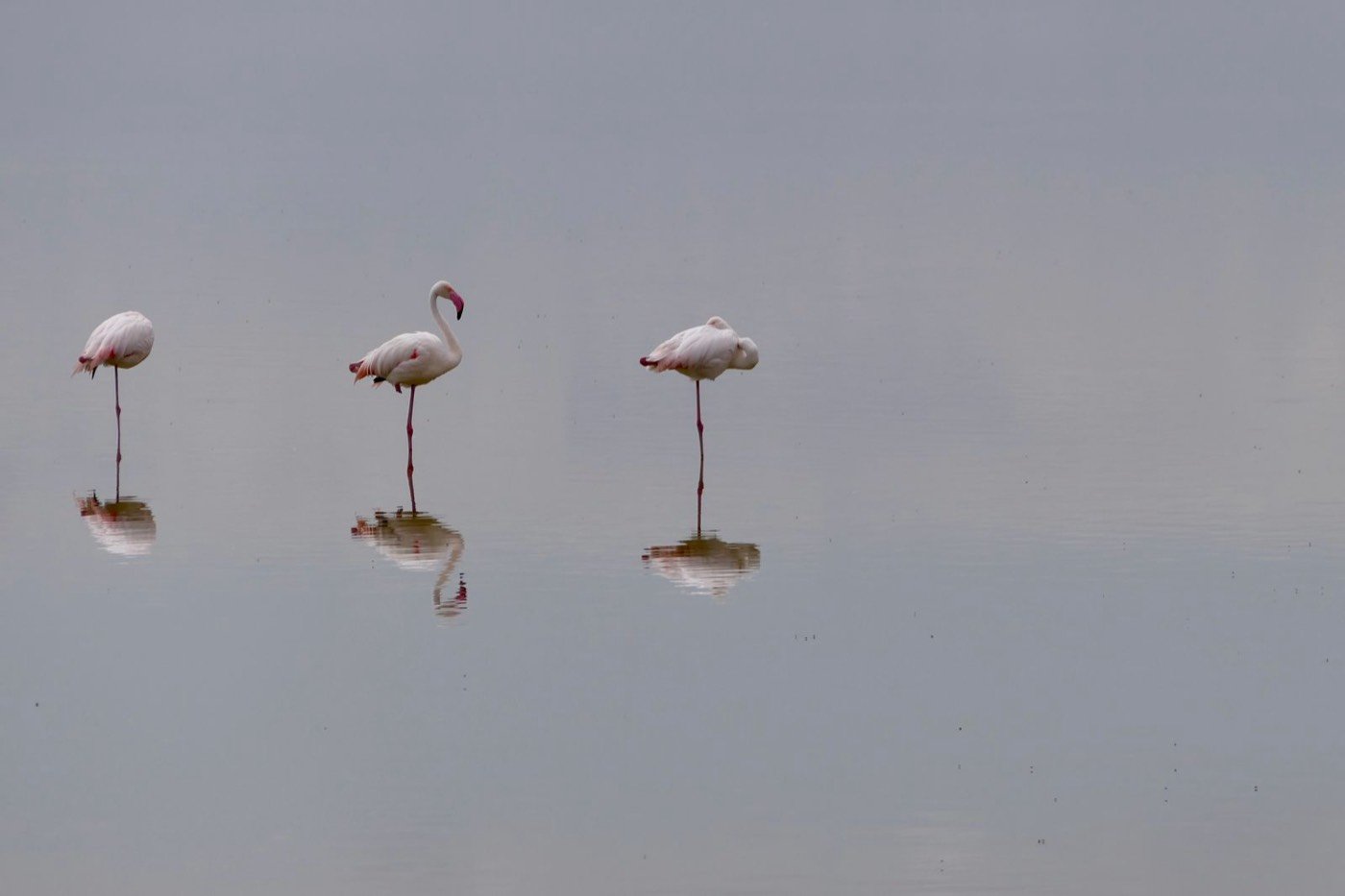
These two Rift Valley lakes are far quieter than the Mara or Amboseli. Bogoria has boiling springs and geysers along its western shore, with boardwalks near the southern gate, and flamingos that come and go with the water level. About 45 minutes north, Baringo is a fresh lake with hippos, Nile crocodiles and species that are hard to find elsewhere, including Jackson’s hornbill, Hemprich’s hornbill and the Goliath heron.
- Boat trips at Baringo: KES 2,000-3,500 per person, or about KES 3,000 per hour per boat
- Getting there: Nakuru to Bogoria gate is about 90km (1.5-2 hours), and Bogoria to Baringo is about 35-45km
- Best for: birding, geothermal scenery
Local tip: flamingo numbers at Bogoria are not constant, so ask a local guide about the current count before you drive out.
See the Bogoria and Baringo guide and the Nakuru city hub for the nearest base. Nakuru tours are a reasonable way to reach this area with a guide.
4. Aberdare National Park
The Aberdare Range covers 767km2 of forest, bamboo and moorland, 150km north of Nairobi. Forest elephants here move in herds of 10-40, and the park is known for giant forest hog, bongo (rare) and leopard. Birders can find more than 290 species, including Aberdare endemics and near-endemics.
- Where to watch: the tree lodges, where animals come to waterholes at night (The Ark is the best known, at approximately USD 200-280 per person per night full board including park entry)
- Hiking: Gura Falls (about 300m) and Chania Falls
- Best for: forest wildlife, waterfalls, a quiet stay
Local tip: the moorland is wet underfoot year-round, so pack waterproof boots and warm layers.
Our Aberdare wildlife guide and Aberdare trekking guide cover both sides, and you can browse Aberdare tours.
5. Lake Turkana
Lake Turkana is a prehistoric inland sea stranded in the desert of northern Kenya, 249km long and 44km wide, the world’s largest permanent desert lake. Highlights are the Central Island volcanic cones, the Ferguson Gulf birdlife near Kalokol and the Koobi Fora fossil sites in Sibiloi National Park, which have yielded hominid fossils more than 3 million years old.
- Fee: approximately USD 30 per adult for Sibiloi (2026); confirm on kws.go.ke
- Getting there: about 620km from Nairobi to Lodwar by the western route, 8-10 hours in a reliable 4WD
- Best for: adventure, palaeontology, remote scenery
Local tip: Central Island is boat-only and conditions can deteriorate quickly, so check the lake before you cross.
Read the Lake Turkana guide before planning, since this is an expedition, not a weekend trip.
6. Hell’s Gate National Park
Hell’s Gate is a 68km2 park next to Lake Naivasha, 90km from Nairobi, and one of only two Kenyan parks where you can walk or cycle among wildlife. Giraffe, buffalo, zebra and waterbuck are common, and there are no lions or leopards. The gorge walk is the highlight.
- Fee: approximately USD 50 per adult (2026), with bike hire at KES 300-500 per hour and a mandatory gorge guide at KES 800-1,500 per group
- Getting there: about 1.5 hours from Nairobi
- Best for: families, cyclists, a budget wildlife day
Local tip: the guide at the gorge is mandatory and well worth it, as the guides know where the hot springs and rock formations are.
Our Hell’s Gate wildlife guide and cycling guide have the details, and Hell’s Gate tours arrange transport.
Combining Them
Ol Pejeta, Laikipia and Aberdare combine well on a loop from Nanyuki. Bogoria and Baringo pair with Lake Nakuru. Hell’s Gate fits into a day from Nairobi with Naivasha. For the quieter months, see our short rains safari guide.